

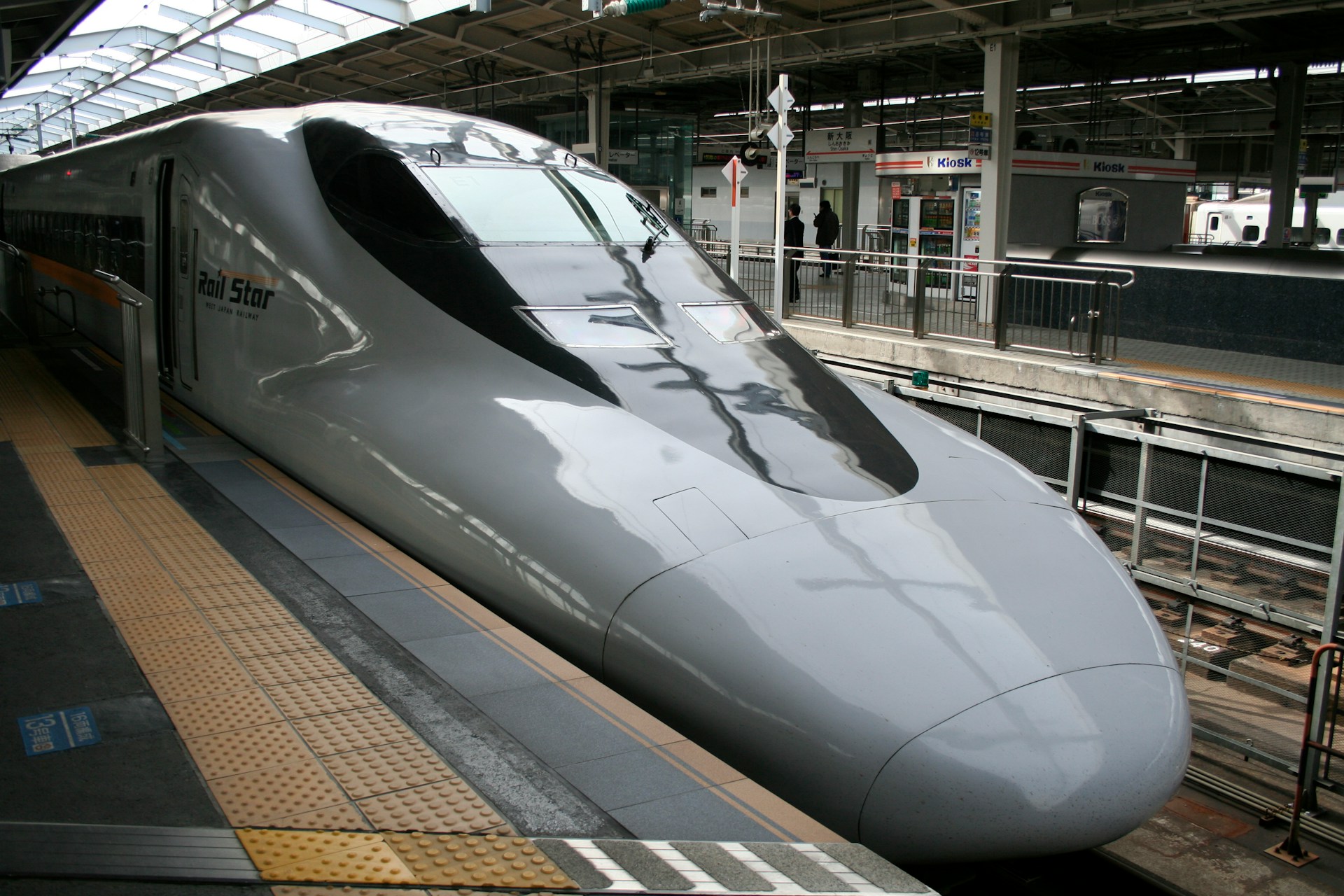
Japan has officially approved one of its most ambitious transportation projects of the decade: a major expansion of the country’s high-speed railway network, expected to be completed by 2030. The announcement has sparked international interest, as Japan has long been recognized as a global leader in high-speed rail technology and efficiency. The new project aims to connect Osaka with several major regions through a state-of-the-art Shinkansen line that promises unprecedented speed, safety, and environmental benefits.
A New Era for Japan’s Transportation System
According to Japan’s Ministry of Land, Infrastructure, Transport and Tourism, the new expansion will introduce a next-generation bullet train model capable of reaching speeds up to 360 km/h. These trains will run on a specially engineered line designed to reduce energy loss and increase stability, even in regions prone to earthquakes.
Officials emphasize that the project will not only modernize Japan’s transportation system but also address critical challenges such as urban overcrowding, economic imbalance between regions, and Japan’s long-term sustainability goals.
“Japan has always prioritized efficiency and safety in transportation,” said Minister Masato Kanda. “This project represents a step forward in connecting communities, boosting regional development, and showcasing cutting-edge Japanese technology to the world.”
Key Features of the New High-Speed Line
The expansion includes several innovative features that distinguish it from previous Shinkansen projects. Among these are:
- Next-generation magnetic stability systems to minimize shaking and enhance passenger comfort.
- Energy-efficient control systems expected to reduce electricity consumption by up to 20 percent.
- Earthquake-resistant engineering incorporating Japan’s latest seismic protection technologies.
- Noise-reducing aerodynamic train designs to minimize sound pollution in densely populated regions.
- Integration with smart-city infrastructure, allowing passengers to access real-time travel data, digital ticketing options, and intercity connectivity.
Transportation experts predict that this will become one of the world’s most advanced rail systems, potentially influencing infrastructure development in Europe, North America, and Asia.
Massive Economic Impact
Economists estimate that the new line could generate over $50 billion in economic activity within its first decade of operation. The benefits are expected to include:
- Increased domestic tourism, as travel between major cities becomes faster and more affordable.
- Job creation, with thousands of engineering, construction, and technology roles becoming available.
- Higher business productivity, thanks to reduced travel times for workers and company operations.
- Rural revitalization, as smaller towns gain easier access to major commercial hubs.
Experts say the expansion may also encourage foreign investment, particularly in sectors like renewable energy, construction, and advanced engineering.
Improved Travel Times Across Japan
One of the most significant outcomes of the expansion will be drastically reduced travel times between key regions. According to official projections:
- Travel between Osaka and Nagoya may decrease from 50 minutes to approximately 27 minutes.
- Osaka to Tokyo could drop to just over 1 hour, compared to the current 2 hour and 30-minute journey.
- Medium-sized cities along the line will enjoy travel reductions of up to 40–60 percent.
These changes are expected to make intercity commuting much more common, offering workers and students better living options outside major metropolitan areas.
Environmental Benefits: A Step Toward Carbon Neutrality
Japan has pledged to achieve carbon neutrality by 2050, and high-speed rail plays a crucial role in its strategy. Rail travel produces significantly lower emissions compared to air and road transportation, making it an essential part of Japan’s green transition.
The new Shinkansen line will feature regenerative braking systems, solar-powered station infrastructure, and reduced aerodynamic drag to improve efficiency. Early assessments suggest the project could cut annual carbon emissions by up to 1.8 million tons, especially if travelers shift from domestic flights to the high-speed network.
Environmental organizations have welcomed the initiative, saying it sets a new standard for sustainable mobility in industrialized nations.
Technological Innovations
Japan’s railway industry is known for precision, punctuality, and innovation. The 2030 project will introduce several cutting-edge technologies:
- Advanced AI-based scheduling systems to reduce delays and optimize rail frequency.
- Smart maintenance robots able to inspect and repair tracks during off-hours, reducing disruption.
- Predictive safety monitoring, using sensors placed along the line to detect structural weaknesses before they become hazards.
- Ultra-lightweight materials in train construction, increasing speed and lowering energy consumption.
These breakthroughs could later be exported to other countries seeking to modernize their transportation systems.
Challenges and Concerns
Despite its benefits, the project faces challenges. The high cost—estimated at nearly $80 billion—has drawn criticism from some budget analysts. Others express concern about construction disruptions in residential areas.
Government officials have assured the public that environmental impact assessments and community consultations will continue throughout the construction process. They maintain that long-term economic and social gains outweigh short-term difficulties.
Global Reactions
International observers say the project reinforces Japan’s leadership in high-speed rail. Countries like the United States and the United Kingdom, which are in early phases of developing similar systems, are expected to monitor Japan’s progress closely. China, currently operating the world’s largest high-speed network, will also likely compare its own models with Japan’s next-generation design.
Looking Toward 2030
With construction expected to begin early next year, Japan is preparing for nearly a decade of engineering, testing, and innovation. If successful, the new line will redefine transportation standards not only in Japan but worldwide.
For now, the project stands as a symbol of Japan’s commitment to modern infrastructure, clean energy, and long-term economic growth. As 2030 approaches, the world will be watching closely to see how this groundbreaking expansion unfolds.